After a long break due to the major Rothenfels Symposium, we have once again put together a series of exciting presentations for our next online conference in 2027. This time, we’ve slightly broadened our horizons and will also take a look at the history of dance outside the German-speaking world.
First, we’ll hear about dancing children and their world on stage in the French court ballet; then we’ll travel to Halle to delve into Friedrich Gottlieb Nagel’s contra dance booklets from the mid-18th century. In the next presentation, we’ll learn how German contra dances made their way as far as Norway. We’ll complete the day with a look at some Austrian folk dance forms, which are the descendants of those early contra dances.
The second day begins with a fresh look at the step descriptions found in Italian dance sources from around 1600. The next lecture takes us into the world of the Erzgebirge mines and tells us about the festival and dance culture of the “Knappen” (miners). From the depths of the mine tunnels, we then ascend to the heights of the 19th-century ballet stage, accompanying the famous ballerina Flora Fabbri on her 1852 tour of Germany. Finally, we’ll enjoy an interview with Pierre François Dollé, who will discuss his work on opera productions at the intersection of tradition and modernity.
Each day will be rounded off with a panel discussion with the respective speakers.
The contributions will be recorded and will be available on YouTube for one month for registered participants.
The presentations will be in German, but this time we are offering the Zoom feature for translated subtitles (available as desired in English, French, Italian, or Spanish, for example).
- via internet platform Zoom
- Presentations in German with automatic subtitles,
translation into multiple languages - Attendance free of charge,
donations are very welcome.
(e.g. 20 - 30 €)

- Registration mandatory,
limited number of attendants - Registered participants will have the opportunity to watch
recordings of the presentations on our YouTube channel
for four weeks after the conference.
Saturday, 23 January 2027 |
|||
| 16:00 | Welcome and introduction | ||
| 16:10 | Children Dancing in the French (Court) Ballet (Gerrit Berenike Heiter) |
||
| 17:00 | "Denen Liebhabern der Tantz-Kunst" - Friedrich Gottlieb Nagel and His Dance Booklets (Birte Hoffmann-Cabenda) |
||
| 17:40 | Pause | ||
| 18:00 | "West Coast Country Dance": Characteristische Englische Tänze in Bergen, Norway (Elisabeth Svarstad) |
||
| 18:50 | Contradances in the Austrian Tradition (Else Schmidt) |
||
| 19:40 | Summary of the day | ||
| 20:00 |
End |
Sunday, 24 January 2026 |
|||
| 16:00 | Welcome and introduction | ||
| 16:10 | „Auf welsche Art“ – Notes on Italian-Style Dance Steps Around 1600 (Markus Lehner) |
||
| 17:00 | Miner's Dances of the Erzgebirge – On the Festive Traditions of the Miners' Guilds (Marco Rasch) |
||
| 17:40 | Pause | ||
| 18:00 | Networking for Success: Flora Fabbri's Guest Performances on German Stages (1852) (Thierry Jaquemet) |
||
| 18:50 | What Does Baroque Choreography Mean Today? Baroque Dance at the Intersection of Tradition and Modernity (Pierre-François Dollé) |
||
| 19:40 | Summary of the day | ||
| 20:00 | End |
Sat, 4:00–4:10 p.m.
Welcome and Technical Matters
Welcome to the participants, followed by a brief introduction to the day’s topic.
Moderators: Birte Hoffmann-Cabenda, Giles Bennett, Markus Lehner
Technical Director: Roy Cabenda
Sat, 4:10–4:50 p.m.
Children Dancing in French (Court) Ballet
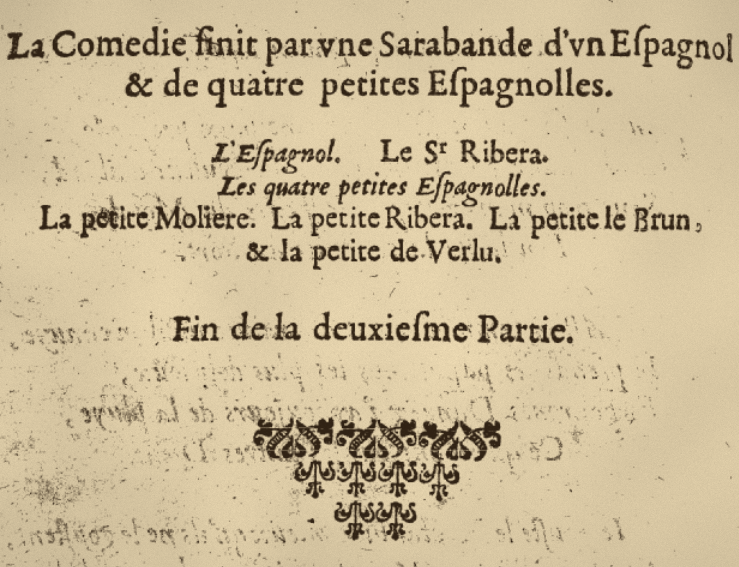 In the 17th and early 18th centuries, children appeared time and again in French court ballets as well as in ballets performed by purely professional dancers. These children included both aristocratic children and those from families of artists and acrobats. In both cases, they had to learn early on how to hold their own on the social or professional stage. Dramatic and performative necessities—such as playing with differences in size or portraying Cupid, cherubs, demons, satyrs, or genies, as well as “dwarfs” or simply children as children, as they often appear in village weddings—also necessitated their presence, although they were often not named. Illustration: 'Ballet Royal de la Nuit', libretto, 1653
Gerrit Berenike Heiter, Paris/Cologne
 Gerrit Berenike Heiter is currently working on her cumulative dissertation project in theater studies at the University of Vienna. Her research focuses on European printed materials on dance from 1573 to 1717. She teaches dance history at the Mannheim University of Music and Performing Arts. In her artistic work as an actress, dancer, and educator, she has specialized in physical and mask theater, Commedia dell’arte, Baroque theater, and historical dance. In addition to participating in Baroque musical theater projects, she appears in contemporary productions that straddle the intersection of dance, music, performance, and theater. Foto: © Sarah Robine
Sat, 5:00–5:40 p.m.
"Denen Liebhabern der Tantz-Kunst" - Friedrich Gottlieb Nagel and His Dance Booklets
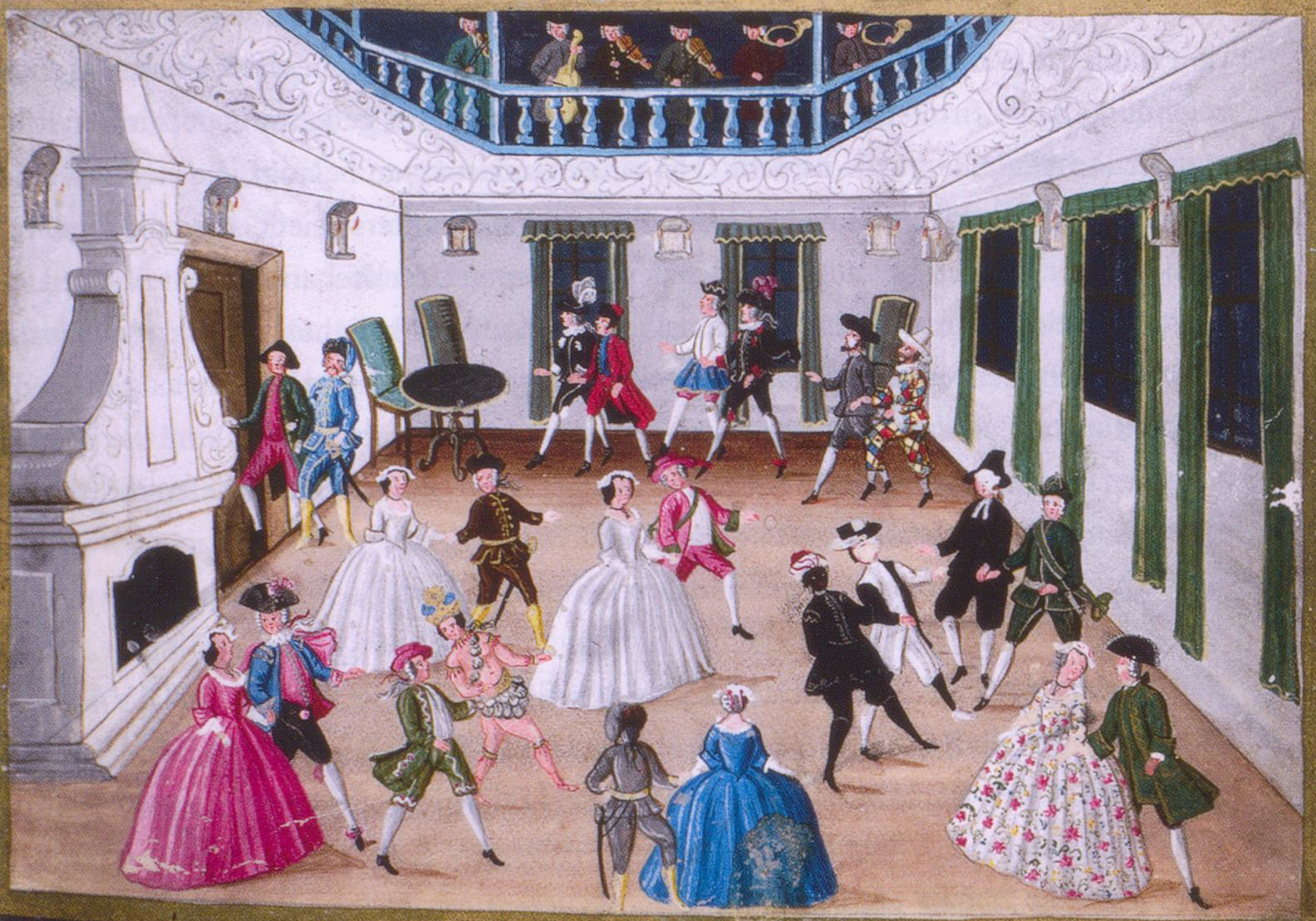
Friedrich Gottlieb Nagel (1727–1791), who served as a dancing master at Friedrichs University in Halle during the second half of the 18th century, published several collections of dances in the 1760s, mainly featuring Anglaises, but one also included cotillions. This lecture aims to introduce the author and his booklets and, with the help of video examples, provide insight into the dance material they contain. Image: Wikimedia Commons, Masked Ball in Halle, c. 1750
Birte Hoffmann-Cabenda, Wedel
Birte Hoffmann-Cabenda holds a degree in mathematics and is a dance instructor. She has decades of experience teaching and reconstructing dances from past eras, ranging from the 15th to the early 20th century. She leads the “Rossina” dance group in Hamburg, regularly conducts workshops, and serves as a dance master at historical balls both in Germany and abroad. In addition, she researches the lives of various dance masters from the 18th and 19th centuries. Photo: © Birte Hoffmann-Cabenda
Sat, 5:40–6:00 p.m.
Break
Sat, 6:00–6:40 p.m.
"West Coast Country Dance": Characteristische Englische Tänze in Bergen, Norway
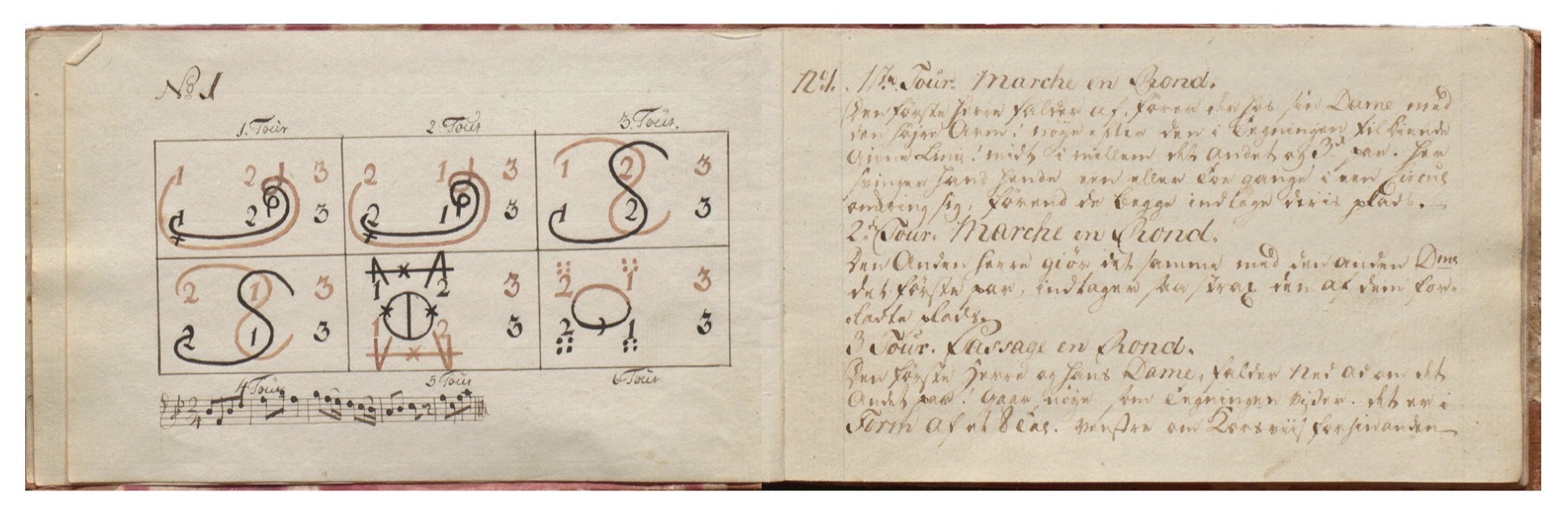
The dance book Characteristische Englische Tänze by Friederich Wilhelm Weis (1744–1826) is one of the few collections of 18th-century English country dances that have been preserved in Norwegian archives. This copy was translated from German into Danish and is written in beautiful handwriting with colored dance notations. It is difficult to say exactly how it ended up in Bergen, Norway. Nevertheless, its existence attests to the spread of dance descriptions from Germany to the Nordic countries and contributes to our understanding of dance practices in Norway during the 18th century. Photo: Bergen University Library, The Special Collections
Elisabeth Svarstad, Oslo, Norway
 Dr. Elizabeth Svarstad is a dance researcher at the Norwegian Center for Traditional Music and Dance in Trondheim, Norway. She holds a Ph.D. in dance studies from the Norwegian University of Science and Technology (NTNU), a master’s degree from the Nordic Master’s Program in Dance Studies, and a bachelor’s degree in dance from the Norwegian Ballet Academy. As a specialist in Baroque dance, she works as a dancer, choreographer, and teacher of historical dance. She is the editor of the journal 'Music and Tradition' and a member of the editorial board of the 'Nordic Journal of Dance'. Photo: Nicolas Tourrenc
Sat, 6:50–7:30 p.m.
Contradances in the Austrian Tradition
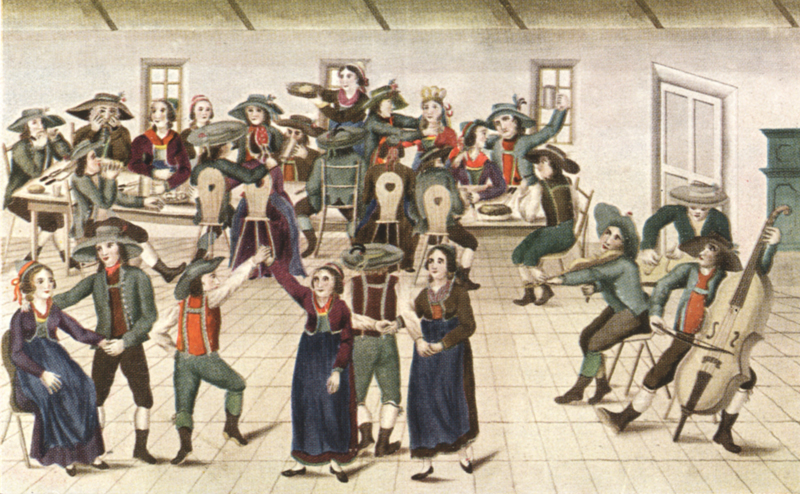 Agattanz, Maschkeratanz, Scharutscha, Tampet/Tempête, …
The Austrian folk dance repertoire includes several contra dances, even though we certainly cannot be considered the “heartland” of multi-couple dances. However, these dances usually hold a special place: The forms adopted from bourgeois dance could be associated with Carnival customs or used as dances of honor. The Tampet/Tempête, known from the North German tradition, on the other hand, has made its way “back” onto the Viennese dance floor. Drawing on several examples, this article illustrates the function and evolution of these dances throughout the history of folk dance preservation in Austria. Photo: @VolkstanzinOesterreich: Tampet
Else Schmidt, Wien, Austria

Else Schmidt was born in Vienna and grew up immersed in the Austrian folk dance tradition. She studied music and mathematics, as well as piano pedagogy. She is the chair of the Vienna Folk Dance Association and vice chair of the Federal Association of Austrian Folk Dance. As an educator, she is particularly dedicated to teaching dance and music.
At the Institute for Folk Music Research and Ethnomusicology at the University of Music and Performing Arts Vienna, she holds a teaching position for a movement and dance practicum that introduces aspiring music teachers to various dance traditions. She is also active in dance research. Photo: Herbert Zotti
Sat, 7:40–8:00 p.m.
Summary of the Day
The day’s speakers will meet with the moderators for a concluding discussion on the conference topic. This will provide participants with another opportunity to ask questions and engage in conversation with the speakers.
Moderators: Birte Hoffmann-Cabenda, Giles Bennett, Markus Lehner
Sunday, 4:00–4:10 p.m.
Welcome and Technical Matters
Welcome to the participants, followed by a brief introduction to the day’s topic.
Moderators: Birte Hoffmann-Cabenda, Giles Bennett, Markus Lehner
Technical Director: Roy Cabenda
Sunday, 4:10–4:50 p.m.
„Auf welsche Art“ – Notes on Italian-Style Dance Steps Around 1600
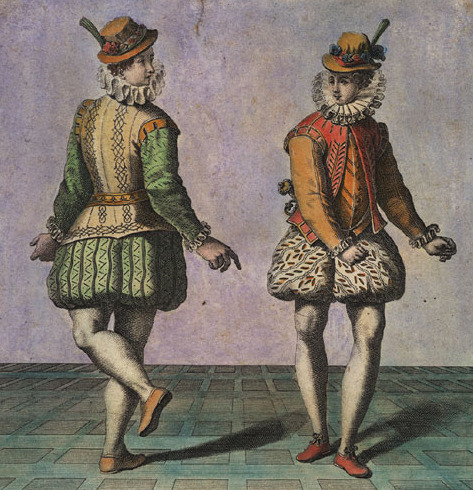 The “Welsch,” i.e., Italian, Renaissance dance style was not unknown in German-speaking regions. As early as 1507, there are reports that the humanist and Nuremberg councilman Willibald Pirckheimer also danced Italian-style during Carnival, and in the late 16th and early 17th centuries, a number of Italian dance masters were active at the Austrian princely courts. Evaristo Papazzone’s manuscript of galliards (1575), for example, dates from his time at the court of Rudolf II. Numerous “Welsch” dance pieces can also be found in German music prints of the period. The textbooks by F. Caroso, C. Negri, and E. Santucci provide valuable insight into this style, but even after more than 50 years of research, many details regarding its reconstruction remain unclear. This presentation takes another look at some of the most important questions regarding the reconstruction of the step repertoire and proposes possible solutions. Image: Wikimedia Commons, Ballerini Milanesi
Markus Lehner, Herrsching
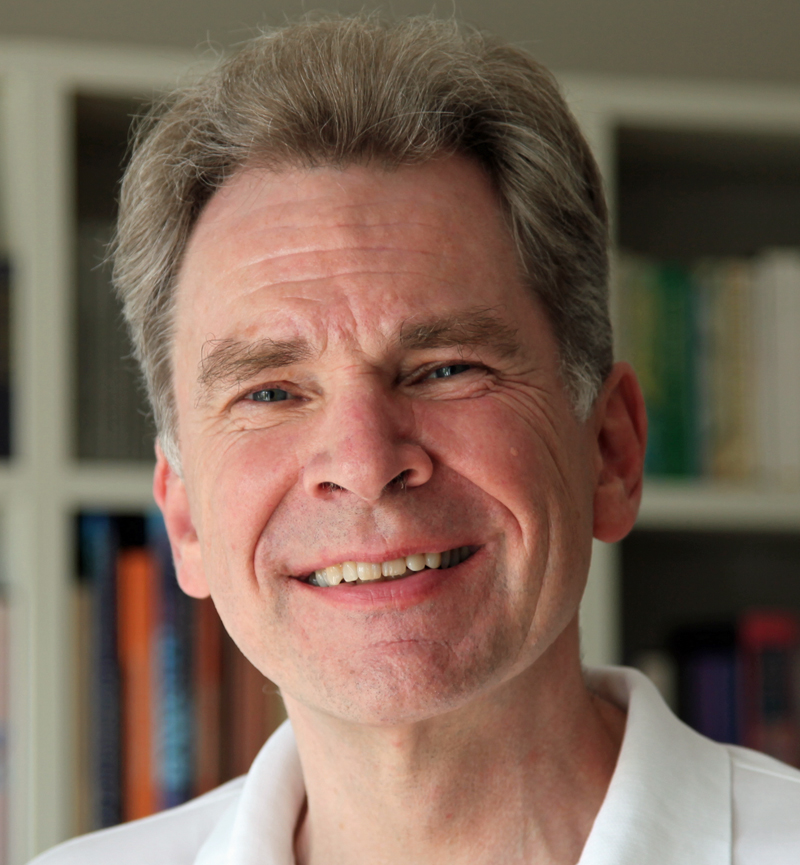 Markus Lehner has been teaching historical dance since 1984, with a focus on the Renaissance. His work in the field of dance research led to the publication of the “Manual of Sixteenth-century Dance Steps in Italy” in 1997. In 2026, he organized the international symposium on historical dance at Rothenfels Castle for the sixth time, under the title “Transitions—Dance in Times of Change, 1400–1900.” He is a founding member and chairman of the association Dance & History e.V., which promotes research and the dissemination of knowledge in the field of historical dance. Photo: © Markus Lehner
Sunday, 5:00–5:40 p.m.
Miner's Dances of the Ore Mountains – On the Festival Culture of the Miners' Guilds
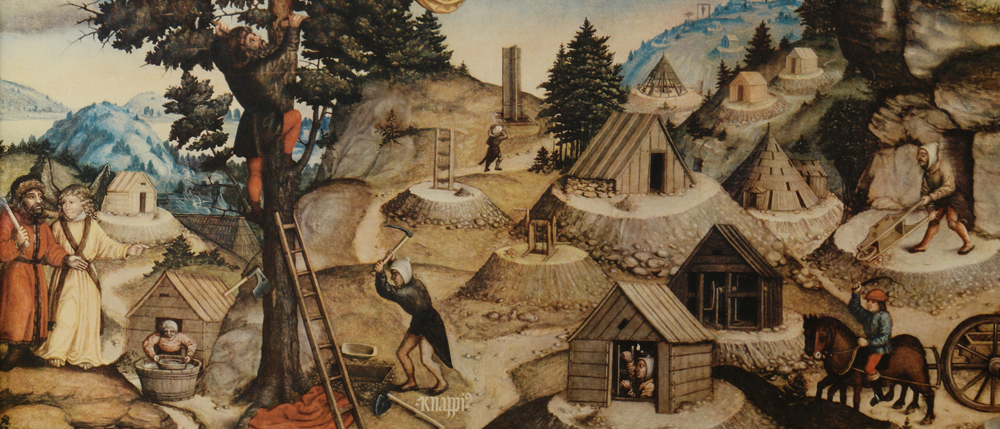 The miners’ brotherhoods and guilds, whose existence can be traced back to the High Middle Ages, developed a distinct festival culture that included dances and dance plays, primarily circle dances and sword dances. Focusing on the Erzgebirge, this article traces the history of the “miners’ dances” from the Middle Ages until the tradition ceased, and examines their integration into everyday working life and into the miners’ culture of representation. It also analyzes the geographical connections of this region—which played a significant role in global mining for centuries—in order to draw conclusions about the Erzgebirge based on dance traditions handed down from other regions. Image: Wikimedia Commons: Annaberg Winged Altar, central panel
Marco Rasch, Chemnitz
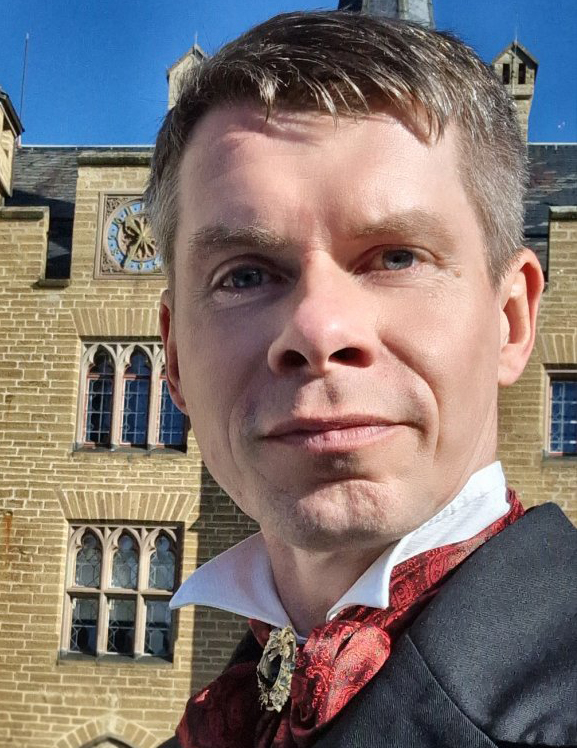
Studied Classical Archaeology and Art History, followed by a doctoral dissertation on the history of aerial photography in Germany. Has worked as a project staff member at, among others, the German Documentation Center for Art History – Bildarchiv Foto Marburg, the Archive of the German Youth Movement, the Institute of Art History in Florence, and the Hessian State Archives in Marburg. Currently deputy director of the Himmelfahrt Fundgrube Freiberg e.V. support association. An active dancer in various groups dedicated to dances from the Baroque period onward. His research and teaching—whether in university sports programs, workshops, or at balls—focuses on 19th-century dance. Photo: © Marco Rasch
Sunday, 5:40–6:00 p.m.
Break
Sunday, 6:00–6:40 p.m.
Networking for Success: Flora Fabbri's Guest Performances on German Stages (1852)
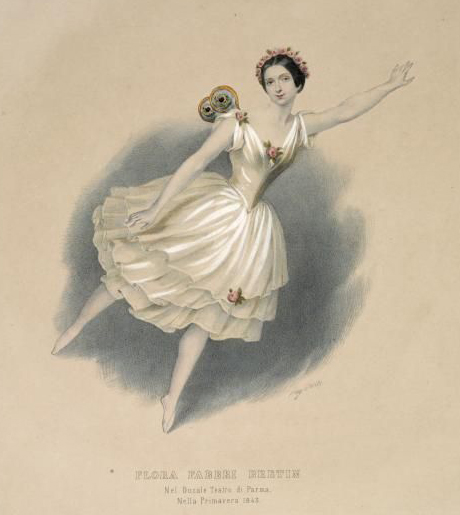 After seven years as a soloist at the Paris Opera, the Italian-French ballerina Flora Fabbri (1822–1880) toured German states for just under a year. Her reputation as one of the finest dancers of her time preceded her. The press eagerly awaited critical comparisons with local dance icons such as Fanny Elssler and Lucile Grahn.
How did Fabbri meet these high expectations? What strategy did she use to hold her own in this unfamiliar territory? Following an overview of Fabbri’s background, this article provides insight into the guest performances of an international ballerina on German stages. Illustration: New York Public Library
Thierry Jaquemet, Dielsdorf, Schwitzerland
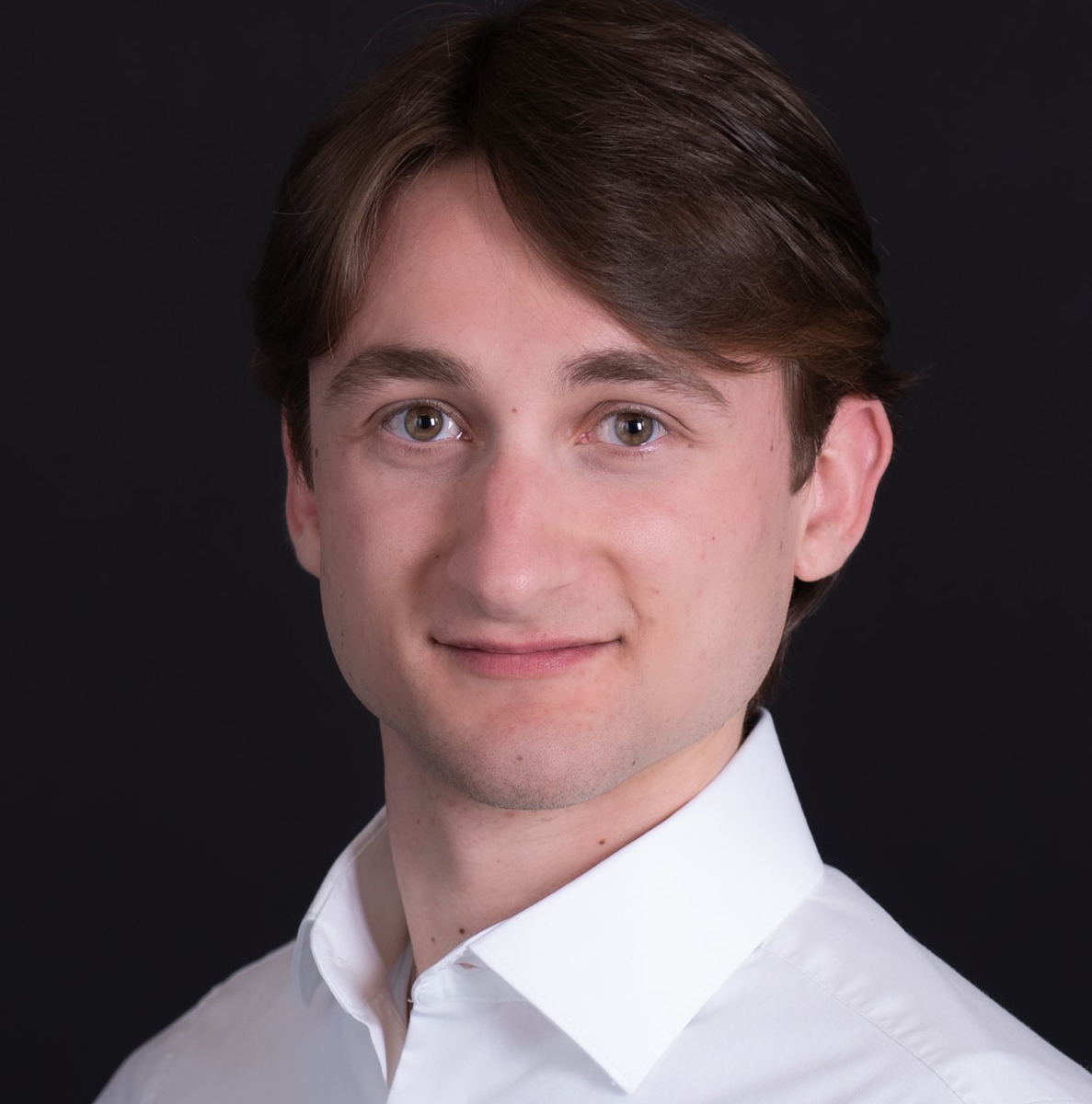
Thierry Jaquemet trained as a classical stage dancer at the Zurich University of the Arts. He then became a member of the Hungarian National Ballet in Győr and later a demi-soloist with the ballet company of the Josef Kajetán Tyl Theater in Pilsen (Czech Republic).
After retiring from the stage, he deepened his interest in dance history with a fellowship at Harvard University’s Houghton Library. While still an active dancer, he published the first biography of Flora Fabbri, titled “Flora Fabbri: A Fighter in Tulle.” Photo: Irena Štěrbová
Sunday, 6:50–7:30 p.m.
What Does Baroque Choreography Mean Today? Baroque Dance at the Intersection of Tradition and Modernity
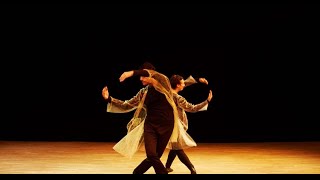
Navigating the tension between tradition and innovation, Pierre-François Dollé brings Baroque dance into dialogue with our contemporary perspective. As a choreographer and dancer specializing in historical dance, he works at the Royal Opera of the Palace of Versailles, among other venues, where he breathes new life into the 17th- and 18th-century repertoire. But historical reconstruction does not mean mere imitation: His approach is grounded in historical sources, yet leaves room for imagination, physical freedom, and a contemporary choreographic style. How can we dance today using the gestures of the past? Through a balance of fidelity to the original works, inventiveness, and freedom, he conveys his vision of a vibrant, nuanced, and decidedly contemporary Baroque dance. Photo: © Pierre-François Dollé
Pierre-François Dollé, Paris, France

Pierre-François Dollé is a choreographer, dancer, educator, and researcher, as well as a specialist in historical dance. After completing his training at the Cologne University of Music, he initially worked as a solo dancer in Germany and England before specializing in historical repertoire beginning in 2005. He collaborates with ensembles such as Les Arts Florissants, Le Poème Harmonique, and Les Jardins Chorégraphiques, among others. As the founder of the Compagnie HéliosKine, he pursues an approach that combines historical research with contemporary creation. Since 2022, he has been working closely with Château de Versailles Spectacles, where he choreographs operas (including Platée, Polifémo, Ariodante, and Pygmalion) as well as events such as the Sérénades Royales, the Parcours du Roi, and the Fêtes Galantes. He also coordinates the Academy of Baroque Dance at the Opéra Royal de Versailles. Photo: Annie Gilbert
Sunday, 7:40–8:00 p.m.
Summary of the Day
The day’s speakers will meet with the moderators for a concluding discussion on the conference topic. This will provide participants with another opportunity to ask questions and engage in conversation with the speakers.
Moderators: Birte Hoffmann-Cabenda, Giles Bennett, Markus Lehner


